

Debunking common myths about gambling what you need to know
Understanding Gambling as a Game of Chance
One of the most pervasive myths about gambling is that it relies heavily on skill rather than chance. Many believe that experienced players can consistently win by using advanced strategies or techniques. While skill can play a role in certain games, particularly those that involve an element of strategy like poker, the majority of gambling activities are fundamentally based on chance. This means that no matter how knowledgeable a player is, there is always a risk of losing. In fact, if you’re looking for the best online poker site, understanding these nuances becomes even more important.
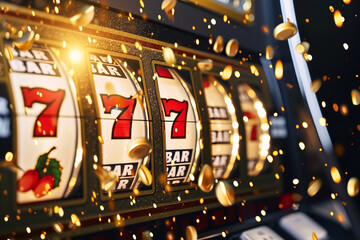
This misconception is often fueled by movies and television shows that portray gambling in a glamorous light. The narrative typically centers around a character who uses cunning and skill to outsmart the odds. However, real-life gambling is far less predictable, and it’s important to acknowledge the role of randomness in these activities.
The Illusion of “Hot” and “Cold” Streaks
Another common myth is the belief in “hot” and “cold” streaks. Many gamblers think that if a machine or table is paying out frequently, it will continue to do so, or conversely, that a machine that hasn’t paid out for a while is “due” for a win. This belief is rooted in the misunderstanding of how random number generators work, particularly in slot machines and other electronic games.
In reality, each spin or hand is an independent event, unaffected by previous outcomes. This means that past results have no bearing on future ones, and chasing after streaks can lead to significant losses. Understanding this fact can help gamblers make more informed decisions and manage their expectations realistically.
Gambling Addiction: A Misunderstood Epidemic
Many people think of gambling addiction as a personal failing or a lack of willpower. This harmful stereotype overlooks the complex psychological and social factors that contribute to gambling disorders. Research has shown that addiction can affect anyone, regardless of their background or intelligence, and is often linked to underlying mental health issues.
Furthermore, gambling addiction can have severe consequences, impacting not just the individual but also their families and communities. It’s crucial to approach this issue with empathy and understanding, recognizing that support and treatment are vital for those affected. Education around responsible gambling practices can help mitigate the risks associated with addiction.
The Role of Luck in Gambling Outcomes
The belief that luck alone determines gambling outcomes is another oversimplification. While luck certainly plays a significant role, especially in games of chance, the environment, game rules, and individual strategies can influence a player’s experience. Many games have specific odds that can be understood and analyzed, allowing informed players to make better choices.
By educating themselves about the odds and strategies involved, players can enhance their understanding and potentially improve their outcomes. However, it is essential to maintain a realistic outlook and recognize that no method can guarantee success, as luck will always be a factor.

Why Awareness Matters
Understanding the realities of gambling helps dispel harmful myths and allows individuals to approach it responsibly. By fostering a culture of awareness, players can enjoy gambling as a form of entertainment rather than viewing it as a means to financial gain. Recognizing the myths surrounding gambling can lead to more informed decisions and promote healthier gambling habits.
Ultimately, if you are seeking more insights or resources related to responsible gambling practices, our website offers a wealth of information designed to educate and empower players. We are committed to providing tools and support for anyone interested in gambling while promoting awareness about its potential risks and rewards.